


Neurologic Recovery After Cardiac Arrest
PM&R News • August 1, 2017
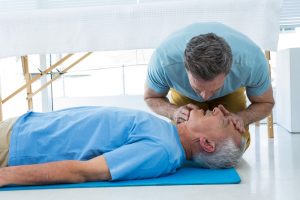
Current guidelines recommend targeted temperature management at 33-36° C for 24 hours in unconscious patients after cardiac arrest. Some have questioned whether longer temperature control would further improve neurologic recovery. This multicenter, randomized trial set to evaluate this question. Three hundred and fifty five unconscious adult patients, who experienced out of hospital cardiac arrest were enrolled and randomized to 33°C for either 24 hours or 48 hours with gradual rewarming afterwards. Neurologic outcome at 6 months was evaluated using the cerebral performance category score. Secondary outcome included 6 month mortality, adverse events, and resource use. The study found neurologic outcome did not improve with target temperature for 48 hours. In addition, this group had more adverse events and longer ICU stays. Unfortunately, researchers will have to continue to search for ways to improve neurologic outcome in ICU patients who experienced cardiac arrest.
Review Question
What medication is commonly used to improve neurologic recovery in patients in vegetative/minimally concious states?Answer
Amantadine is likely the most common medication used to improve neurologic recovery in patients in vegetative/minimally conscious states. This was tested in TBI patients, but certainly can be considered in patients experiencing hypoxic-ischemic encephalopathy after cardiac arrest.
