


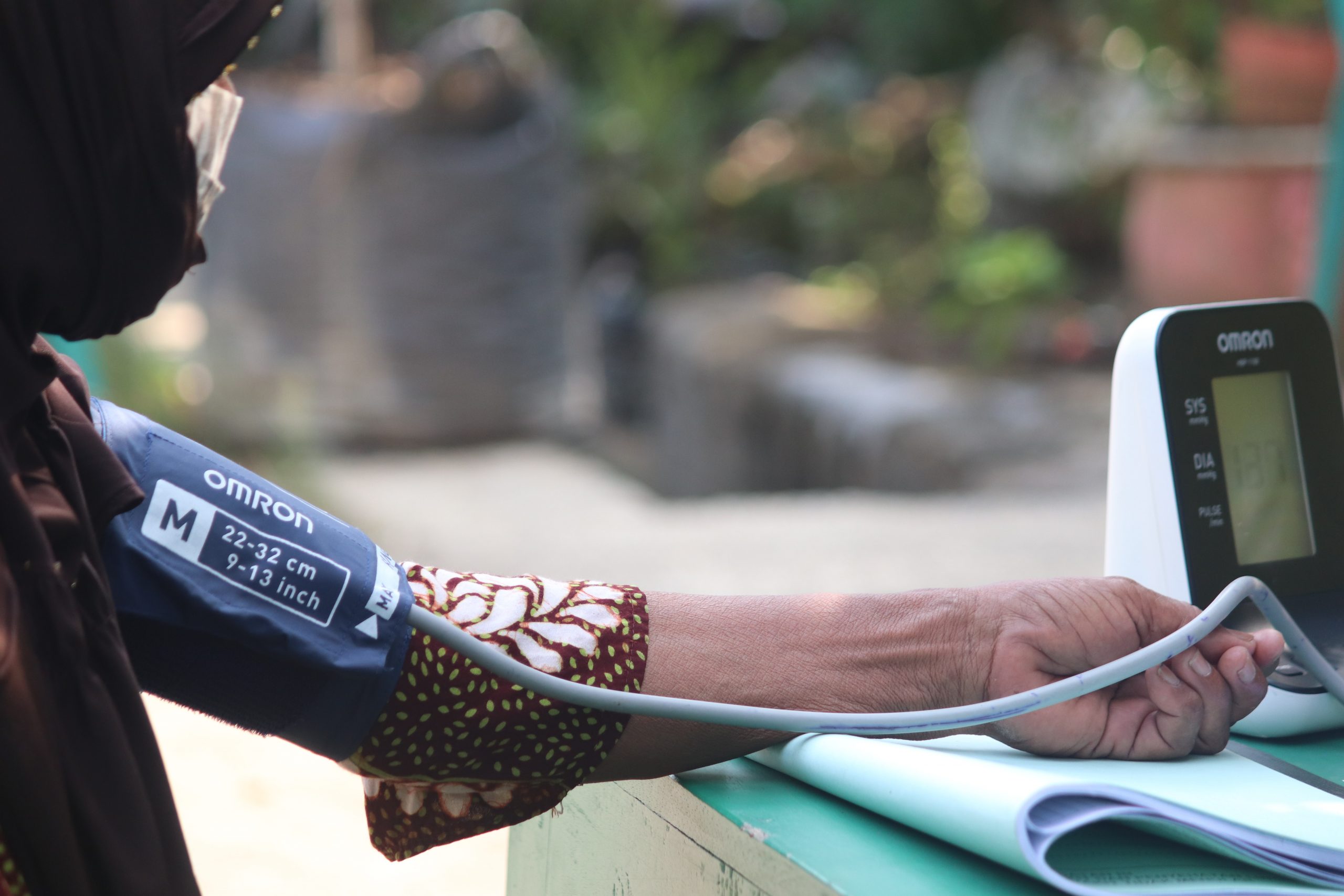
Blood Pressure Management in Stroke
PM&R News • June 2021
Goals:
- A balance of cerebral perfusion and ischemia
- BP <140/90 mmHg
- Antihypertensives restarted in neurologically stable patients ~24-48 hrs
- UTD recommendation: after large artery stenosis is excluded and after vascular imaging performed
- For large artery: timeframe is 7-14 days
- Timeframe goal: few days – few weeks
- UTD recommendation: after large artery stenosis is excluded and after vascular imaging performed
- Antihypertensives restarted in neurologically stable patients ~24-48 hrs
Ischemic
- rtPA not administered: do not lower BP in first 24 hrs
- unless it exceeds 220/120 OR
- active: ischemic coronary disease, heart failure, aortic dissection, hypertensive encephalopathy, or pre-eclampsia/eclampsia
- Prior to rtPA administration: BP <185/110
- After rtPA administration: BP < 180/105 for 24 hours.
- Monitoring: 1st 2 hrs: every 15 minutes, next 6 hrs: every 30 minutes, then every hour until 24 hours total
- Increase monitoring timeframes if BP >180/105
- Larger artery occlusion: systolic BP (SBP): 150 – 180 mmHg prior to reperfusion
- goal SBP: <140 mmHg once reperfusion is achieved (via intravenous alteplase or mechanical thrombectomy)
- If lowering needed: no >15% in first 24 hrs
- Monitoring: 1st 2 hrs: every 15 minutes, next 6 hrs: every 30 minutes, then every hour until 24 hours total
Hemorrhagic: Intracerebral hemorrhage (ICH) & Subarachnoid hemorrhage (SAH)
- ICH
- Presenting with SBP between 150 – 220 mmHg
- Lower to 140 mmHg (if lower, may increase renal adverse effects)
- SBP >220 mmHg
- Aggressive IV antihypertensive and BP monitoring every 5 minutes
- Goal: 140-160mmHg (optimal goal is uncertain)
- Presenting with SBP between 150 – 220 mmHg
- SAH
- SBP <160 mmHG (or MAP < 100 mmHg)
- Optimal goal is unknown; can modify based on pt.’s baseline
- SBP <160 mmHG (or MAP < 100 mmHg)
Medications (antihypertensives):
- No good evidence on choice of medication in ischemic stroke (IV recommended. Examples of rapid/safe medications include: labetalol, nicardipine, and clevidipine)
- For aggressive lowering in ICH (SBP >220). IV of any of the following is recommended: nicardipine, clevidipine, labetalol, esmolol, enalaprilat, fenoldopam, and phentolamine.
- First 4 agents recommended for reduction in SAH (>140 or cognitive status changes); avoid nitroprusside or nitroglycerin.
Statistics
- Systolic >200 vs 130 mmHg had a 50% greater risk of recurrent stroke
- Low BP (<120 mmHg): associated with additional deaths from coronary heart disease
- Mixed findings on lowering BP within 1st 24 hrs; some results showed continuing antihypertensives in the acute phase can be more detrimental.
Patient education:
- Lifestyle modification to decrease BP: salt intake reduction, weight loss, diet changes, and smoking cessation
- Each 10 mmHg reduction in BP = 1/3 reduction in stroke risk
- HTN: most modifiable risk factor for stroke
Link: Options to treat to hypertension before and during reperfusion therapy for acute ischemic stroke
References
- https://www.ncbi.nlm.nih.gov/pubmed/32048202
- https://www.uptodate.com/contents/initial-assessment-and-management-of-acute-stroke?search=cva%20bp%20management§ionRank=1&usage_type=default&anchor=H15&source=machineLearning&selectedTitle=1~150&display_rank=1#H15
- https://www.uptodate.com/contents/intravenous-thrombolytic-therapy-for-acute-ischemic-stroke-therapeutic-use?sectionName=Management%20of%20blood%20pressure&search=cva%20bp%20management&topicRef=1126&anchor=H2033684512&source=see_link#H548390
- https://www.uptodate.com/contents/aneurysmal-subarachnoid-hemorrhage-treatment-and-prognosis?sectionName=Blood%20pressure%20control&search=cva%20bp%20management&topicRef=1126&anchor=H1332326243&source=see_link#H28753187
Review Question
What is the goal BP measurement prior to rtPA administration?Answer
BP <185/110 mmHg
