


Tendinopathy Treatment Evolution – Do Human Amnion/Chorion Membrane Injections Work?
PM&R News • January 2018
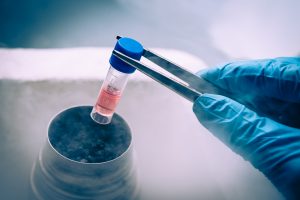
The treatment of tendinopathy has recently erupted with numerous regenerative techniques being used in practice with little significant data to support its use. A newer technique is using human amnion/chorion membrane injections and this case series evaluated 40 patients to help give insight into its’ effectiveness. All patients received 40 mg of dehydrated human amniotic/chorionic membrane allograft under ultrasound guidance. In addition to injection, tenotomy was performed in the area of tendinosis. Post-injection instructions included avoidance of strenuous activity for 3-5 days, no NSAIDs use for 2 weeks, and postprocedural pain could be controlled with tylenol and ice. Clinical significant improvement in pain was considered if a 30% improvement occurred. 75% of patients met this at 1 month, 84% at 2 months, and 91% at 3 months. In addition, decrease in ADL limitation, as well as, medication use decreased. The evolving technology for tendinopathy is exciting for the field of physiatry and patients, as treatment options continue to develop to improve one’s function. Regenerative medicine is clearly making strides but larger studies continue to be needed to not only identify effectiveness but to also identify patient populations that benefit the most.
Review Question
Why should NSAIDs be avoided in PRP?Answer
NSAIDs deactivate platelets, which are the target factors that one is injection in attempts to create inflammation and in turn healing.
