


Chondroitin vs. Celebrex: Keep NSAIDs on the Shelf?
PM&R News • June 29, 2017
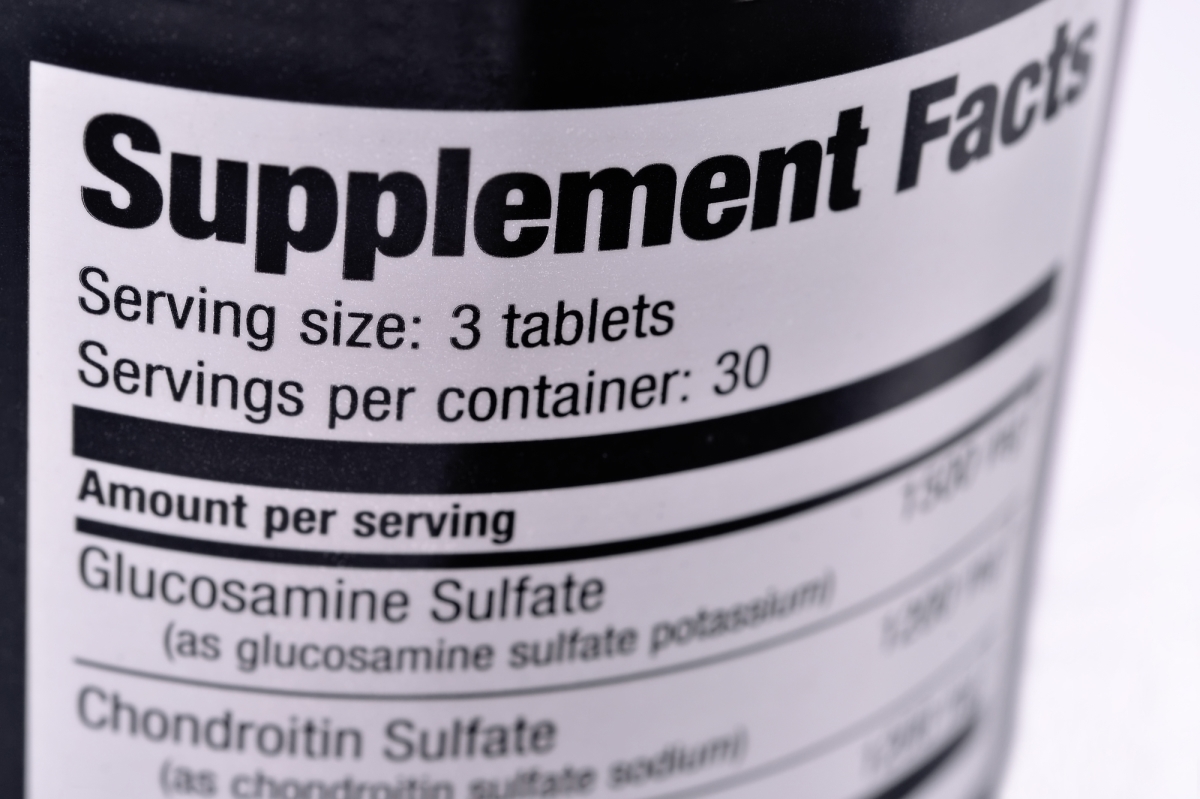
For many years there has been serious debate whether or not glucosamine, glucosamine and chondroitin or chondroitin alone should be recommended for pain reduction secondary to osteoarthritis. For physiatrists, good benefit with these supplements can lead a pull back on the prescription of potentially detrimental NSAID and/or acetaminophen use. A recent study in the Annals of Rheumatic Diseases sheds further light on the topic.
In this study, Reginster et al. recruited 604 patients with symptomatic knee osteoarthritis according to the American College of Rheumatology criteria. Participants were then randomized into a 6-month, 3-arm (chondroitin 800mg/day, Celebrex 200mg/day or placebo), double-blind, double-dummy 182 day (6-month) trial to assess the effectiveness of pharmaceutical-grade chondroitin versus Celebrex and placebo.
So, What Happened?
Ladies and gentlemen, the see-saw has been once again tipped to show that there is benefit of pharmaceutical-grade chondroitin in reducing pain (8.2mm on a 100mm VAS) and improving function secondary to knee OA. Both the chondroitin and Celebrex groups experienced significant decreases in pain over placebo; in fact, the benefits of chondroitin were similar to that of Celebrex. Abdominal pain was the most frequent adverse effect reported, 4.5%, 2.5% and 2.9% in the Celebrex, chondroitin and placebo groups respectively. The researchers recommend that pharmaceutical-grade chondroitin be considered as a first-line treatment for symptomatic knee osteoarthritis.
Physiatrist’s Commentary
We are beginning to further realize the detrimental effects of long-term (and possibly even short-term NSAID use). It is quite discouraging to see a patient’s kidneys fail or watch a patient experience a significant GI bleed secondary to NSAID use. To see many arising issues with NSAIDs and acetaminophen, make the physiatrist feel stuck when it comes to maximizing conservative measures for knee osteoarthritis. While safer topical anti-inflammatory treatments are becoming widely available, it is encouraging to see good results with chondroitin use.
The key takeaway from this study is to note that the chondroitin product must be pharmaceutical-grade (the 4&6 isomer of sodium Chondroitin Sulfate) for benefits similar to this study to be seen.
And in case you were wondering, there continues to be support for the good benefits of glucosamine in knee OA as well.
Review Question
What formulation of chondroitin sulfate has been shown to have the greatest efficacy in knee osteoarthritis in reducing pain and improving function?Answer
The pharmaceutical grade chondroitin 4&6 isomers have been shown to have the greatest efficacy.
